
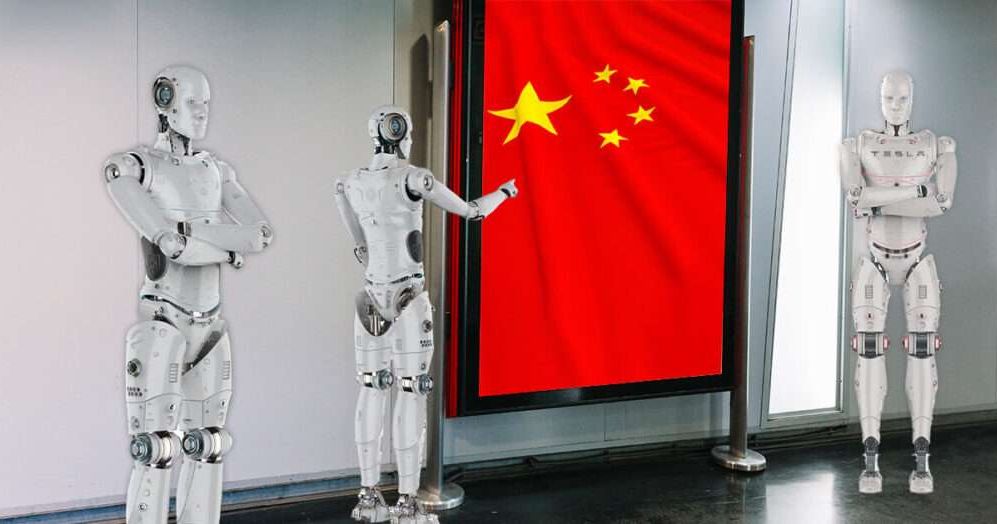
China humanoid robot stocks are quickly becoming one of the most exciting frontiers in tech investing. As Chinese manufacturers race to compete with Tesla’s Optimus, a new wave of China humanoid robot stocks is attracting attention from global investors looking for exposure to the next industrial revolution.
China’s rapidly evolving humanoid robot industry is setting the stage for a new era in manufacturing, with potential to reshape investment landscapes in automation and artificial intelligence. As the world’s leading electric vehicle (EV) market, China is now leveraging its industrial prowess to challenge Tesla in the race to develop battery-powered humanoids for factory assembly lines.
The Rise of China’s Humanoid Robot Sector
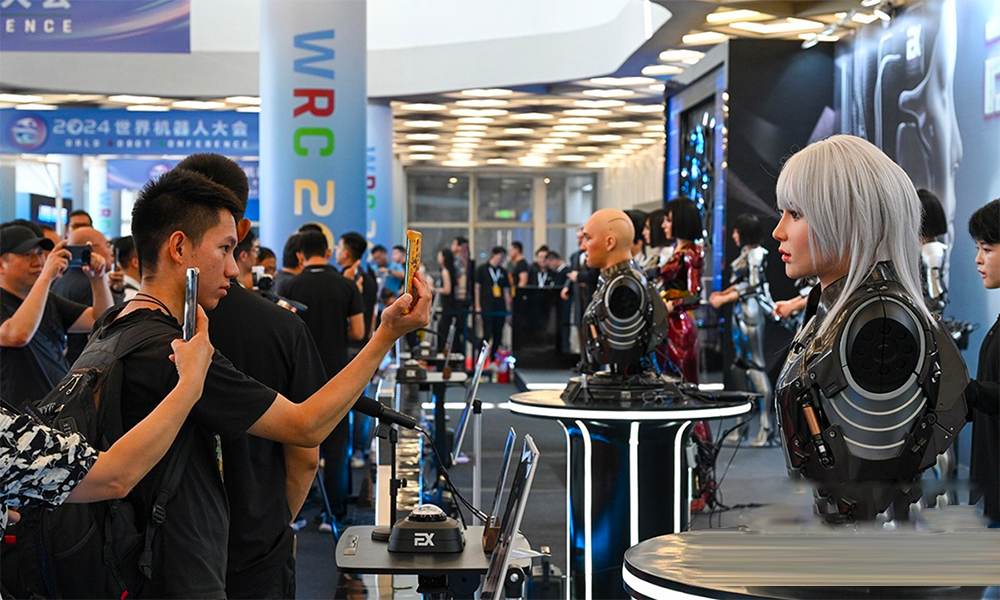
At the recent World Robot Conference in Beijing, over two dozen Chinese companies showcased humanoid robots designed for factory and warehouse applications. This display of technological advancement highlights China’s growing capabilities in robotics and automation:
- Government Support: Beijing has launched a $1.4 billion state-backed fund for robotics, while Shanghai plans a similar $1.4 billion humanoid industry fund.
- Supply Chain Advantage: China’s robust EV supply chain is being repurposed for robotics, including battery and sensor manufacturers.
- Cost Efficiency: Chinese companies are focusing on rapid iteration and production to drive down costs, with some aiming for sub-$30,000 price points for worker robots.
Market Potential and Investment Outlook
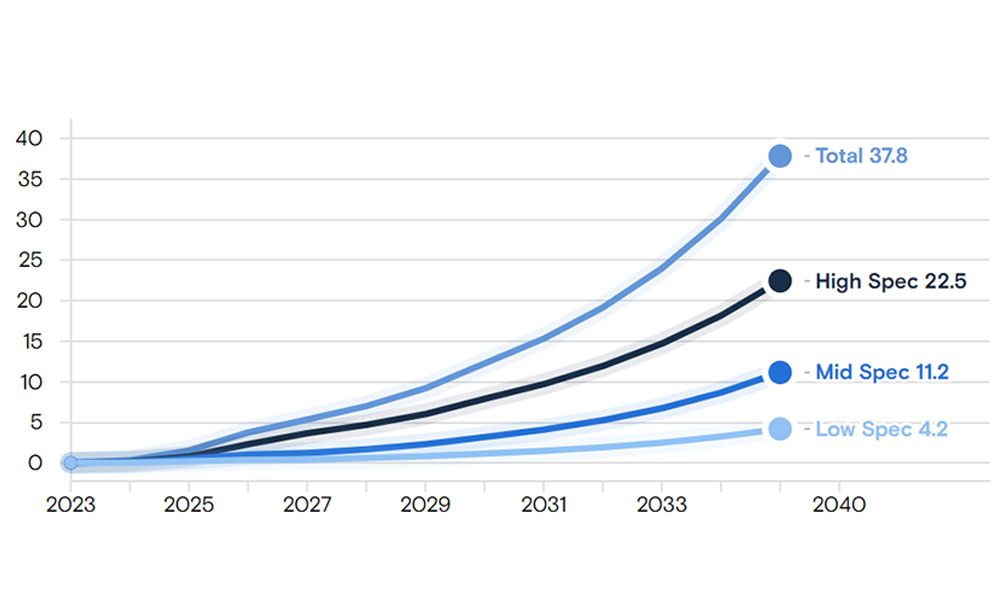
Goldman Sachs forecasts the annual global market for humanoid robots could reach $38 billion by 2035, with nearly 1.4 million shipments for consumer and industrial applications. This projection underscores the significant investment potential in the sector:
- Material Costs: The cost of materials to build humanoid robots has fallen to approximately $150,000 each in 2023, excluding R&D expenses.
- Scale and Efficiency Chinese manufacturers are poised to further reduce costs through mass production and supply chain optimization.
China vs. Tesla: The Humanoid Robot Race
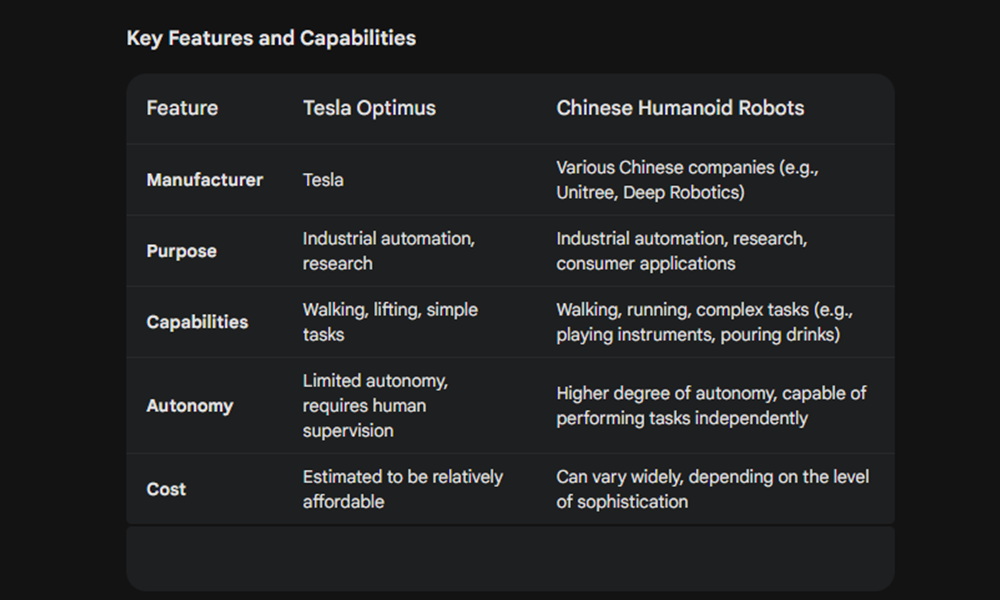
Tesla’s Optimus robot, introduced in 2021, has sparked a competitive drive among Chinese manufacturers:
- AI Advantage: Tesla leads in artificial intelligence capabilities, modeled on its “Full Self-Driving” EV software.
- Production Edge: China’s strength lies in its ability to rapidly scale production and drive down costs.
- Market Response: Tesla plans to start small-volume production of Optimus next year, while Chinese companies like UBTECH Robotics aim for mass manufacturing in the same timeframe.
Investment Implications in the Robotics Sector
As China pushes to dominate the humanoid robot market, several investment considerations emerge:
Supply Chain Opportunities:
Companies involved in robotics components, such as sensors, batteries, and precision parts, may see increased demand.
AI and Software Development:
Firms specializing in AI and robotics software could benefit from the industry’s growth.
Manufacturing Automation:
Traditional robot manufacturers like Fanuc, ABB, and Kuka may face new competition from Chinese entrants.
Long-term Horizon:
Despite ambitious goals, large-scale commercial application of humanoid robots may take 20-30 years, suggesting a long-term investment perspective is necessary.
Challenges and Future Outlook
While China’s robotics sector shows promise, investors should consider potential challenges:
- Technological Hurdles: Developing advanced AI capabilities to match human-like functionality remains a significant challenge.
- Regulatory Environment: As the industry evolves, new regulations may impact development and deployment timelines.
- Market Adoption: The speed at which industries adopt humanoid robots will significantly influence the sector’s growth trajectory.
Conclusion
China’s push into the humanoid robot industry represents a compelling investment narrative, blending the country’s manufacturing strengths with cutting-edge technology. As the sector develops, it offers diverse opportunities across robotics, AI, and automation industries. However, investors should approach this emerging market with a long-term perspective, balancing the potential for revolutionary change with the realities of technological and market challenges.
Should You Invest in China Humanoid Robot Stocks?
China humanoid robot stocks carry both massive upside potential and unique risks including regulatory uncertainty, geopolitical tensions, and execution challenges. Investors should diversify across multiple names rather than concentrating in a single company.
For more on AI-driven investment themes, explore our analysis of photonics stocks in AI infrastructure and see how traders are discussing robotics plays on Traderverse.
For robotics industry data and China’s manufacturing strategy, see the International Federation of Robotics and McKinsey’s advanced electronics research.
